Team ASBhive & Malaysia Making Waves at SEWF & RSEG 2025!
SEWF
(Social Enterprise World Forum)
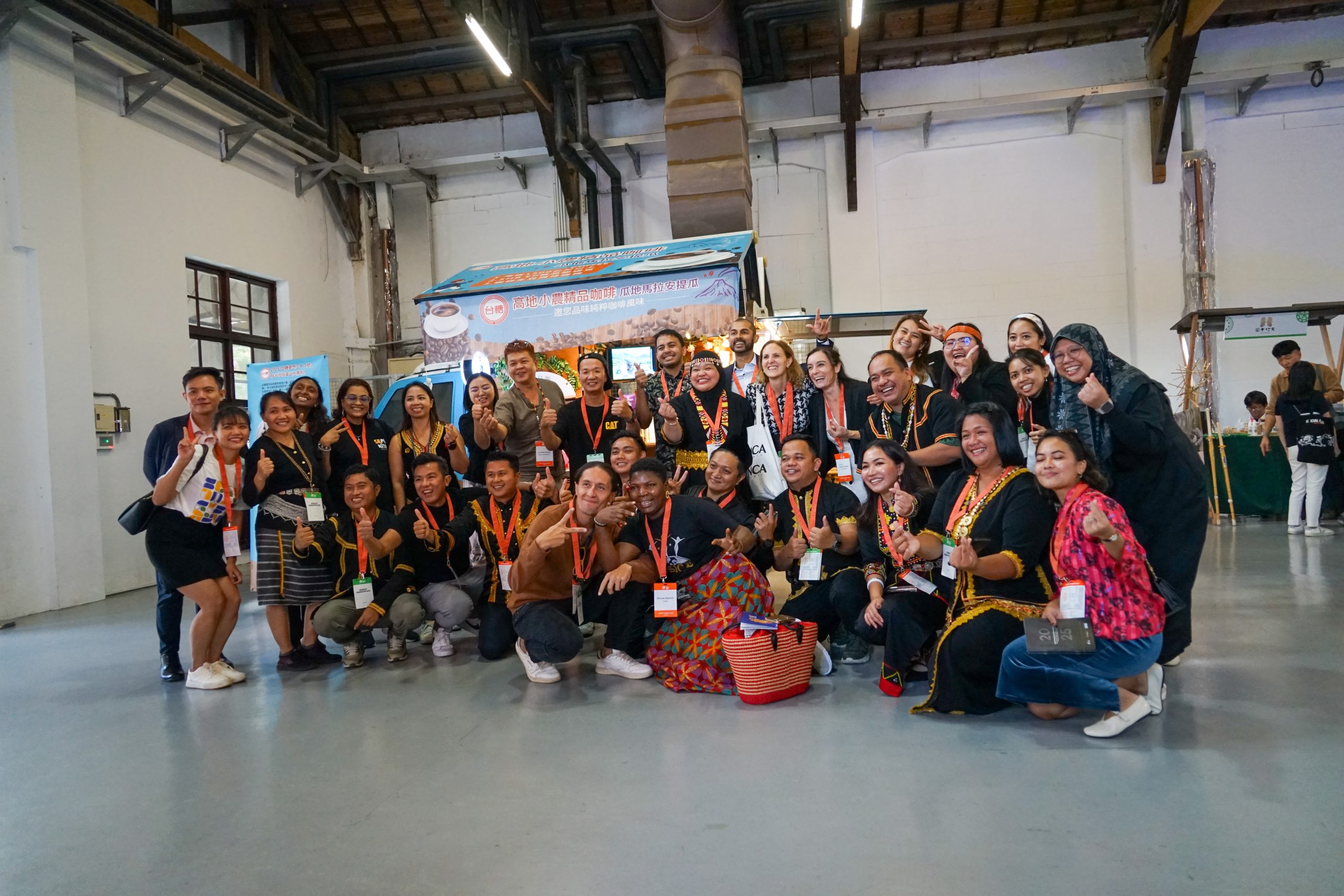
We’re back from Taipei! Still buzzing with inspiration, new ideas, and way too many memories! The Social Enterprise World Forum (SEWF) 2025 brought together changemakers from 65+ countries, and Team Malaysia showed up in full force, loud, proud, as SEWF was the perfect stage to showcase Malaysia’s vibrant ecosystem and reinforce our collective commitment to a people-and-planet-first economy.
A Delegation with Heart (and Impact!)
This year, a 60-strong Malaysian delegation, including almost 30 social enterprises flew in with one shared goal: to learn, connect, and champion the people-and-planet-first movement. The energy was unreal. Every conversation, every panel, every side chat over coffee (or bubble tea ☕🧋) reinforced one thing: Malaysia’s impact scene is thriving.
> Massive shoutout to our incredible partners who made this collaboration possible; CSED, INSKEN, SCENIC, SDEC, Biji Biji Initiative, and SEEd.Lab. Together, we’re proving that cross-sector collaboration isn’t just possible, it’s powerful.
The Unparalleled Benefits of SEWF
Attending SEWF, which brought together over 1000 participants from more than 65 countries, reinforced the value of global connection. The core benefits we brought back to Malaysia include:
Global Connection and Learning: Accessing over 40 sessions and learning from 90+ global speakers allows our delegates to absorb best practices, innovative funding models, and cutting-edge solutions from every corner of the world.
Shaping the Impact Economy: SEWF is the space to explore ground-breaking ideas and be part of the global conversation that is transitioning the world to a more sustainable and fairer economy.
Procurement and Policy Insights: Discussions around social procurement and supportive government policies, areas critical to scaling our local enterprises provided actionable frameworks for our partners to advocate for stronger systemic support.
Malaysia’s Voice on the Global Stage
We are incredibly proud that Malaysian speakers were a prominent voice throughout the SEWF program, delivering speeches and workshops specifically focused on nurturing the growth of the social enterprise ecosystem in the region.
From deep dives into grassroots innovation and the role of Action Learning in transforming community issues into scalable ventures (a core focus of ASBhive), to discussions on regional digital blueprints and the importance of engaging state-led labs, Malaysia's unique challenges and successes were placed front and center, enriching the global dialogue.
Showcasing Our Energy and Culture
Beyond the conference rooms, Team Malaysia truly shone. We were thrilled to share a piece of our nation’s spirit with the global community. Our delegates hosted a spontaneous flash mob cultural dance, inviting changemakers from around the world to join us in celebrating our energy and culture through movement. It was a proud moment of connection, laughter, and unity demonstrating that the path to a better world should be joyful and inclusive!
What’s Next for ASBhive and Team Malaysia
Now that we’re home, real work begins. The conversations and connections from SEWF are being transformed into actionable collaborations. ASBhive, alongside our ecosystem partners, will continue strengthening Malaysia’s social enterprise landscape.
Taipei may have ended, but the movement continues. 💥
Here’s to building, believing, and bridging impact across borders.
Yours truly,
Team ASBhive
SEWF
Fringe Forum - ASBhive Takes the Global Stage: Grassroots Innovation Shines at SEWF 2025
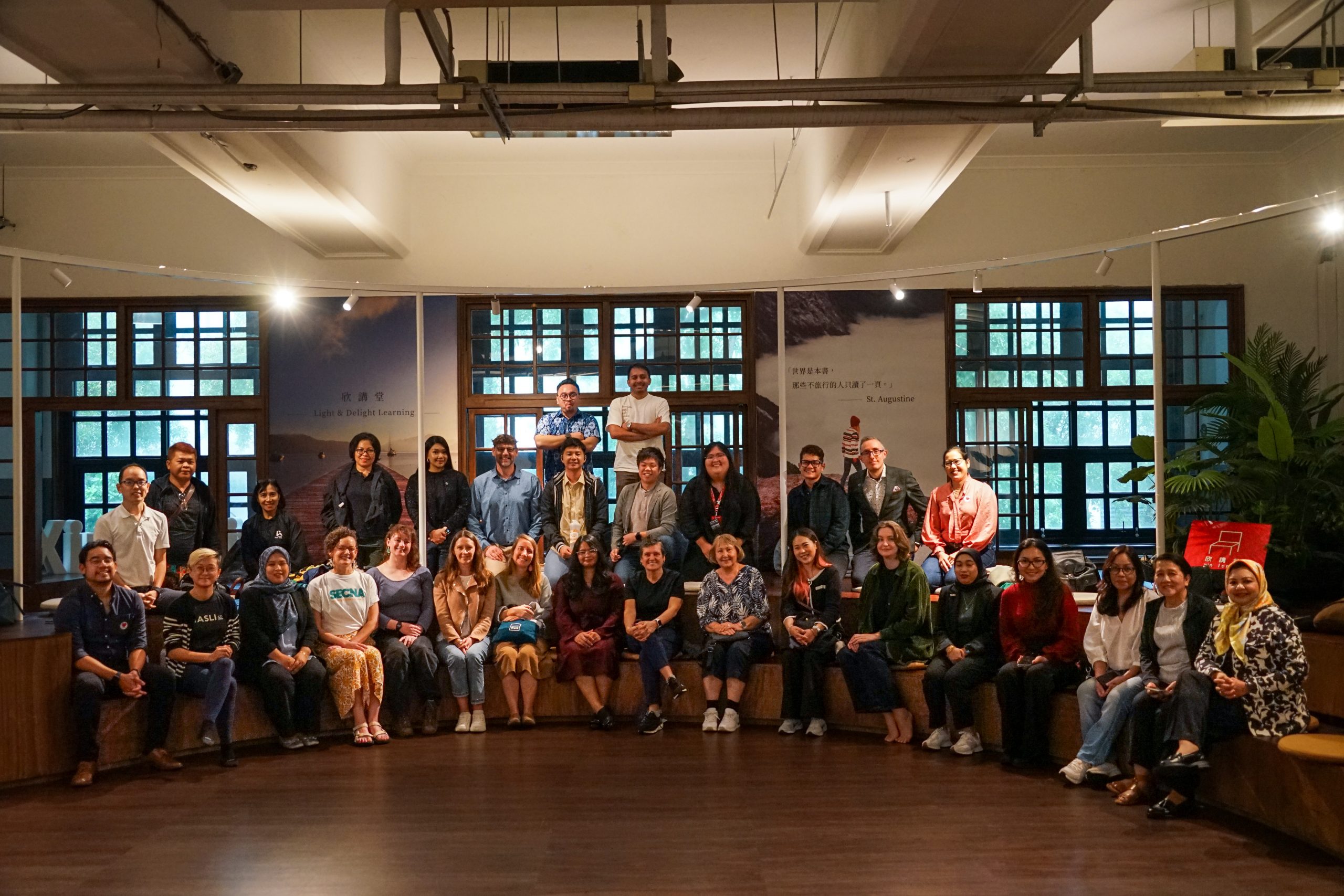
The ASBhive team are proud to be in Taipei, Taiwan, for the Social Enterprise World Forum (SEWF) 2025, connecting with the world's most innovative leaders dedicated to inclusive and sustainable impact.
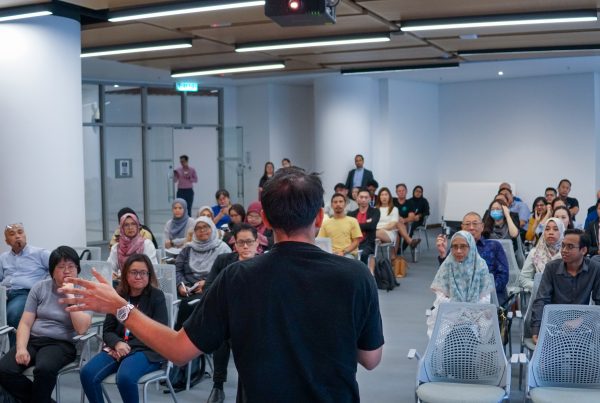
Our journey began with a bang! The ASBhive team leader, Redza kicked off the pre-SEWF events by hosting at Xin Forum Lecturer Hall at Songshan Cultural Park in Taipei
Titled Beyond The Blueprint: Grassroots Lessons from Malaysia’s Social Enterprise Movement,” was a deeply insightful session on the resilience and ingenuity of the Malaysian ecosystem alongside with Malaysian ecosystem builders.
Beyond the Blueprint: Grassroots Lessons from Malaysia
The session, titled “Beyond the Blueprint: Grassroots Lessons from Malaysia’s Social Enterprise Movement,” was a vibrant showcase of national success, featuring key partners: INSKEN (represented by Khair), SCENIC (represented by Uliantie), and SDEC (represented by Atiqah) highlighting past programs, impacts, community supported, challenges and the changing landscape of social enterprises here in Malaysia.
The core focus was on how Malaysia’s social enterprise landscape continues to thrive not just through top-down policy, but critically, from the ground up.
Key Insights from the Malaysian Ecosystem
The panel provided vital perspectives on building sustainability:
Stakeholder Engagement is Key (INSKEN): Khair shared in his discussion, highlighting the crucial role of engaging diverse stakeholders from local communities to central government bodies to ensure the longevity and prosperity of the ecosystem. The path forward includes engaging more state-led labs to foster localized innovation.
The Regional Imperative (SDEC): Atiqah from SDEC brought a sharp focus on Sarawak's unique economic challenge. She noted that the current local GDP relies heavily on minerals, which is unreliable and often centralizes wealth among "the big dogs." SDEC’s work, including the "SeHebat Catalyst" initiative and their blueprint for the social enterprise landscape, is essential. This blueprint serves as a critical entry point for social enterprises into Sarawak’s digital ecosystem, aiming to decentralize wealth and build inclusive economic models.
ASBhive's Role (ASB): Redza highlighted how ASBhive helps the ecosystem by being an activation hub, detailing our focused events and programmes. We provide the structure to turn high-potential ideas often fueled by ASB research into scalable ventures, ensuring that the insight-to-impact pathway is robust.
Navigating the Challenges: The Q&A
The Q&A session zeroed in on the structural challenges facing Malaysian social enterprises:
Procurement Gap: A major discussion point was the difficulty in leveraging corporate procurement. While many corporates express support, concrete procurement agreements remain a challenge, creating a divide between corporate willingness and actionable support.
Tech vs. Social Divide: Another challenge identified was the lack of overlap between the tech startup scene and the traditional social enterprise/NGO sector. Notably, the session acknowledged a positive shift in places like Sabah, where some social enterprises are successfully transitioning to become true Tech Social Enterprises, merging purpose with scalable technology.
Enhancing Global Visibility and Impact
The insights shared underscored the urgency of ASB and ASBhive’s mission to bridge academic rigor with real-world application. By sharing these detailed grassroots lessons at SEWF 2025, we achieve two critical goals:
Attracting Partnerships: We connect with global investors and organizations looking for credible, data-backed social enterprises to support within Southeast Asia.
Driving Best Practices: We bring cutting-edge global models back to our local ecosystem, continually refining the resources and support we offer to Malaysian entrepreneurs.
We are excited to continue making meaningful connections with changemakers from across the globe at SEWF 2025 and look forward to the opportunities this global exposure will create for our founders and the entire Malaysian social enterprise movement!
RSEG
(Rural Social Enterprise Gathering)
Rural Is Not Behind! - Insights From Our Trip to Sabah
Rural Is Not Behind! - Insights From Our Trip to Sabah
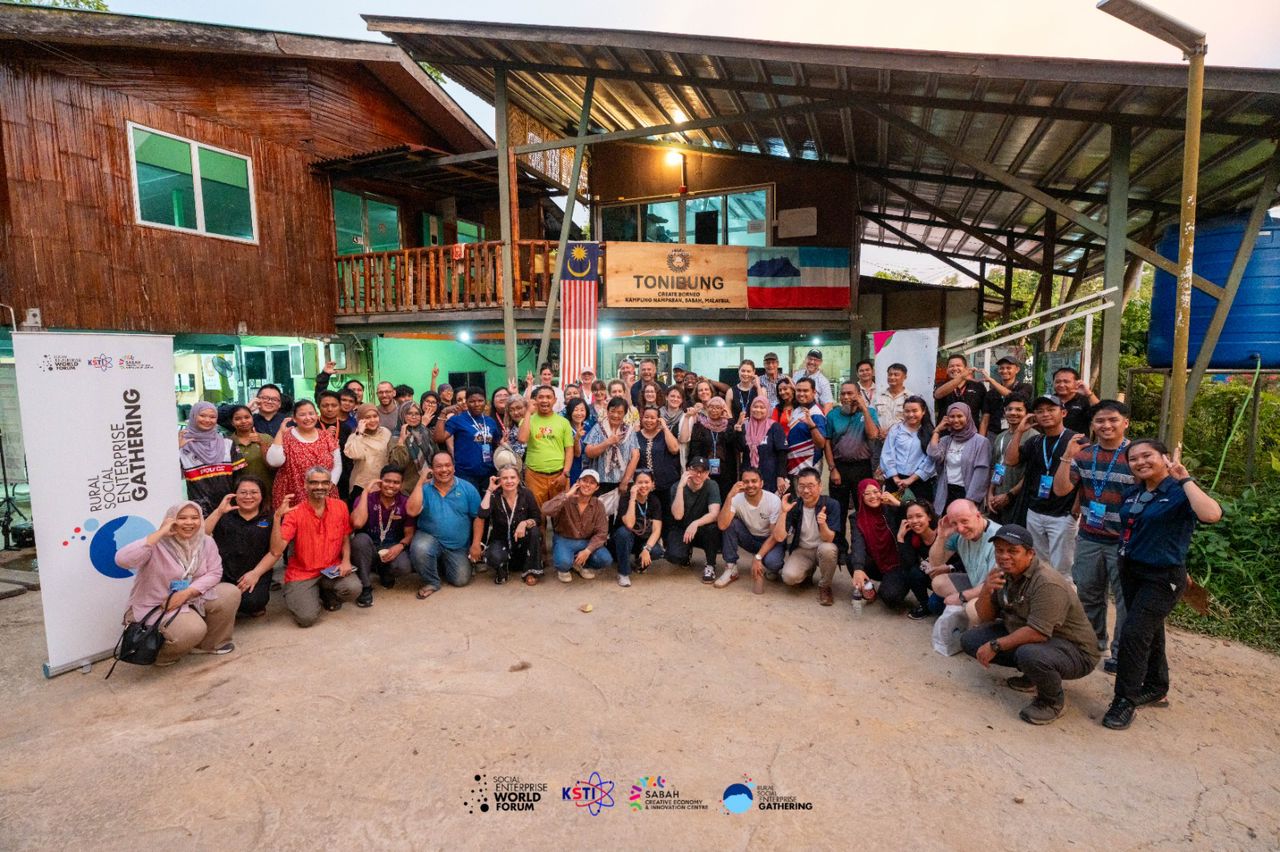
The ASBhive team recently travelled to Sabah for the Rural Social Enterprise Gathering 2025, organised by the Social Enterprise World Forum (SEWF) and the Sabah Creative Economy and Innovation Centre (SCENIC). Over three days, the team visited rural social enterprises, met the founders behind them and learned how these communities are leading meaningful and sustainable change.
Each visit revealed a different layer of rural innovation and highlighted how community-driven solutions are strengthening local livelihoods.
Day One
The first stop was Kokoriu, a village farm and seedbank led by Anjelen. Her work helps preserve local seeds and strengthens the resilience of the community. She is also building a homestay that will soon provide an extra source of income while welcoming visitors into the daily life and heritage of her village. While we were there, we were invited to choose from a few activities. Some of us learned how to make traditional jewellery, others tried playing their musical instruments, some joined the tumbuk beras activity, and a few chose to tour the seedbank.
From there, the team visited Dumowongi, an edible flower and herb farm started by Irene Mositol and her husband. What began as a small family project has grown into a learning space for nearby farmers. We walked through the edible flower garden, tasting flowers that were surprisingly sweet. We also tried flower pressing, which involved placing flowers between pieces of cloth and gently hammering them until their colours and shapes appeared on the fabric.
Day 2
The next morning started at Pace A Voi, where Marianah has spent seven years learning everything she can about stingless bees. She is completely self-taught and has since helped twenty rural communities set up their own bee farms. Her journey shows how far passion and consistency can take someone. During our visit, we learned about stingless bees and honey production. We watched how the team transfers bee colonies, which requires steady hands and a lot of patience. Their moringa honey ice cream was a favourite for many of us.
The team then visited LJD Corporation, a social enterprise that turns plastic waste into useful and attractive products. The visit showed us how creativity and circular design can turn discarded materials into something valuable. We even tried it ourselves by making keychains from recycled plastic. It was a fun way to understand how the process works.
The final stop was Tonibung, led by PACOS Trust and engineer Adrian Banie Lasimbang. He focuses on designing technology that solves practical problems in rural communities. His approach highlights the importance of community ownership, context appropriate solutions and thoughtful design.
DAY THREE
The final day focused on conversations that tied together the lessons from the site visits. Three breakout sessions stood out.
1. Collaborating With Young People
The session explored how young people contribute to community development, as well as the challenges they face when working alongside more experienced generations. Participants agreed that trust, shared leadership and mentorship are essential for nurturing young talent.
2. Telling Your Story
This session highlighted the importance of communicating a social enterprise’s identity and mission. A product carries a story and a set of values. Clear storytelling helps others understand, appreciate and support the work of social enterprises.
3. Government and Community
Participants highlighted how essential it is for communities, intermediaries and government to work closely together. Mentorship was also seen as a powerful way to support long-term development. With these foundations in place, growth can happen through trust, clear communication and better access to opportunities.
WHY RURAL WORK FEELS PREMIUM
The trip concluded with a better understanding of why rural products carry a premium value. It is not because they are marketed as artisanal. Their value comes from the intention and care behind them. Everything is handmade, freshly gathered and created with pride as each product carries the identity of a community and a landscape. Their work forms the backbone of long-term sustainability, and it deserves to be recognised!