10 Educators, 5 Startups, 6 Days: What Happened When MARA Lecturers Became Founders
Ten MARA educators who had never built a startup walked into AKM Sungai Jawi as participants. Six days later, they pitched five startups to a panel of judges.
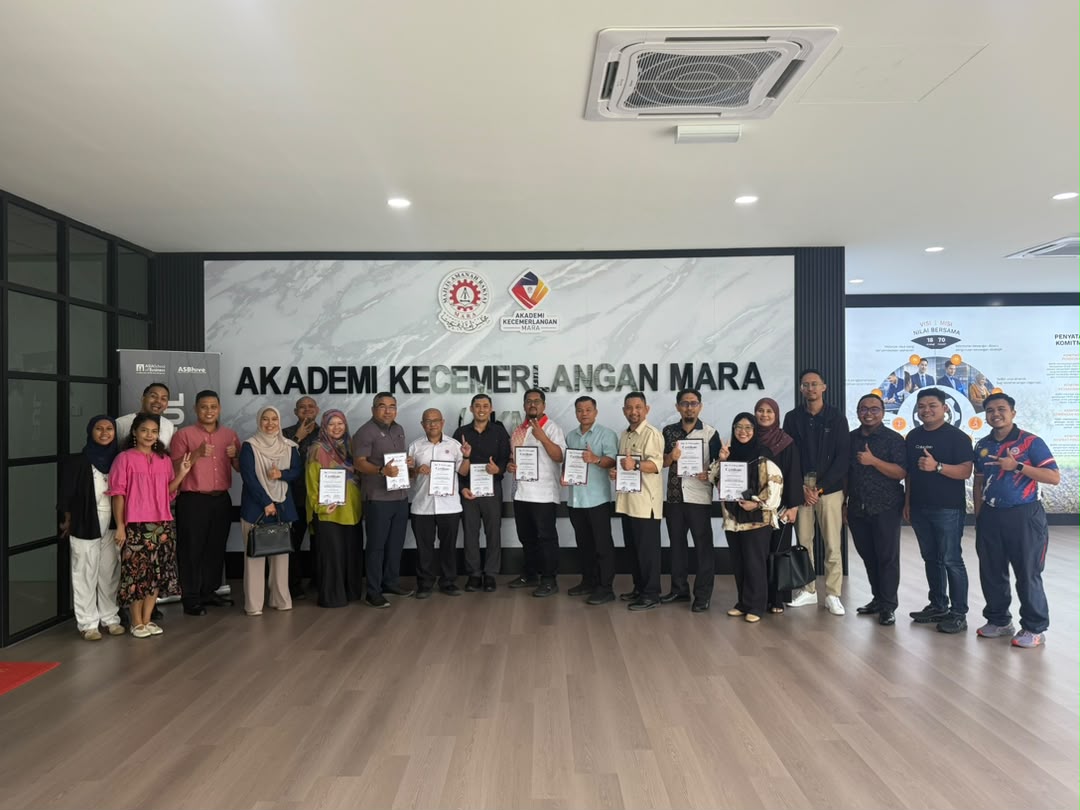
On Sunday 1st November 2026, ten MARA educators from across Malaysia walked into Akademi Kecemerlangan MARA (AKM) Sungai Jawi, Penang, as participants. By Friday, they were standing in front of a panel of judges, pitching startups they had built, tested with real people and put online. In six days.
None of them had ever built a startup before.
That was exactly the point. ASBhive has just wrapped up the MARA–ASB Professional Entrepreneurship Certified Programme, a Train the Trainer (TTT) programme run with MARA, AKM and ISER (Institute for Sustainable Entrepreneurship Malaysia). Our belief is simple: you can't teach entrepreneurship well if you've never felt the discomfort of calling a stranger to ask about their problem. So we made our educators do it.
Here's how the week unfolded.
Day 1: Reset the mindset, then play
We didn't start with frameworks. We started with people.
After registration and an icebreaker, Asha (Asia School of Business) led a Mindset Reset, helping participants shift from "the lecturer who has the answers" to "the founder who doesn't know yet, and has to go and find out."
Then came board game night. Our Lean Startup board games let the cohort build, test, fail and pivot on a game board, with nothing at stake but pride. It's the fastest way we know to make "fail fast, learn faster" feel real, and by the end of the night, a room of strangers had become a cohort.
Days 2 and 3: Learn how people learn
This is a trainer programme, so the cohort had to get better at two things: the content, and how they deliver it.
Juara (neOOne) ran the Accelerated Learning Masterclass across Days 2 and 3, covering learning theories and methodologies, how to write learning objectives and plan a session flow, and how to design learning activities and creative presentations. On Day 3, the cohort moved into a Design Lab and a Facilitation Practicum, designing sessions and then running them on each other.
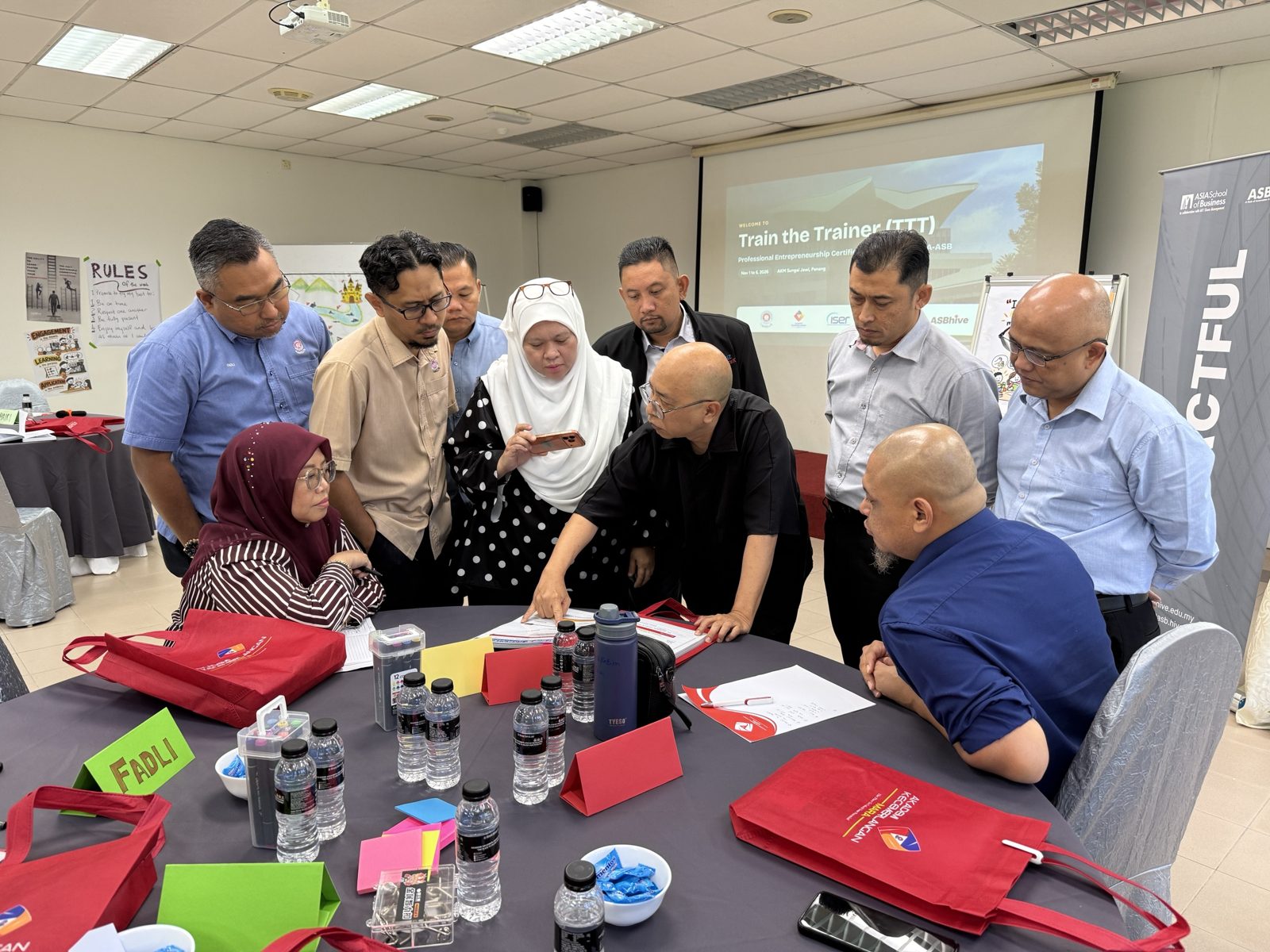
Juara (neOOne) working through session design with a table during the Accelerated Learning Masterclass.
Neil (GUIDE) closed Day 3 with Innovation Thinking Frameworks and Venture Finance Fundamentals, giving the educators a founder's view of how ideas become ventures and how ventures get funded.
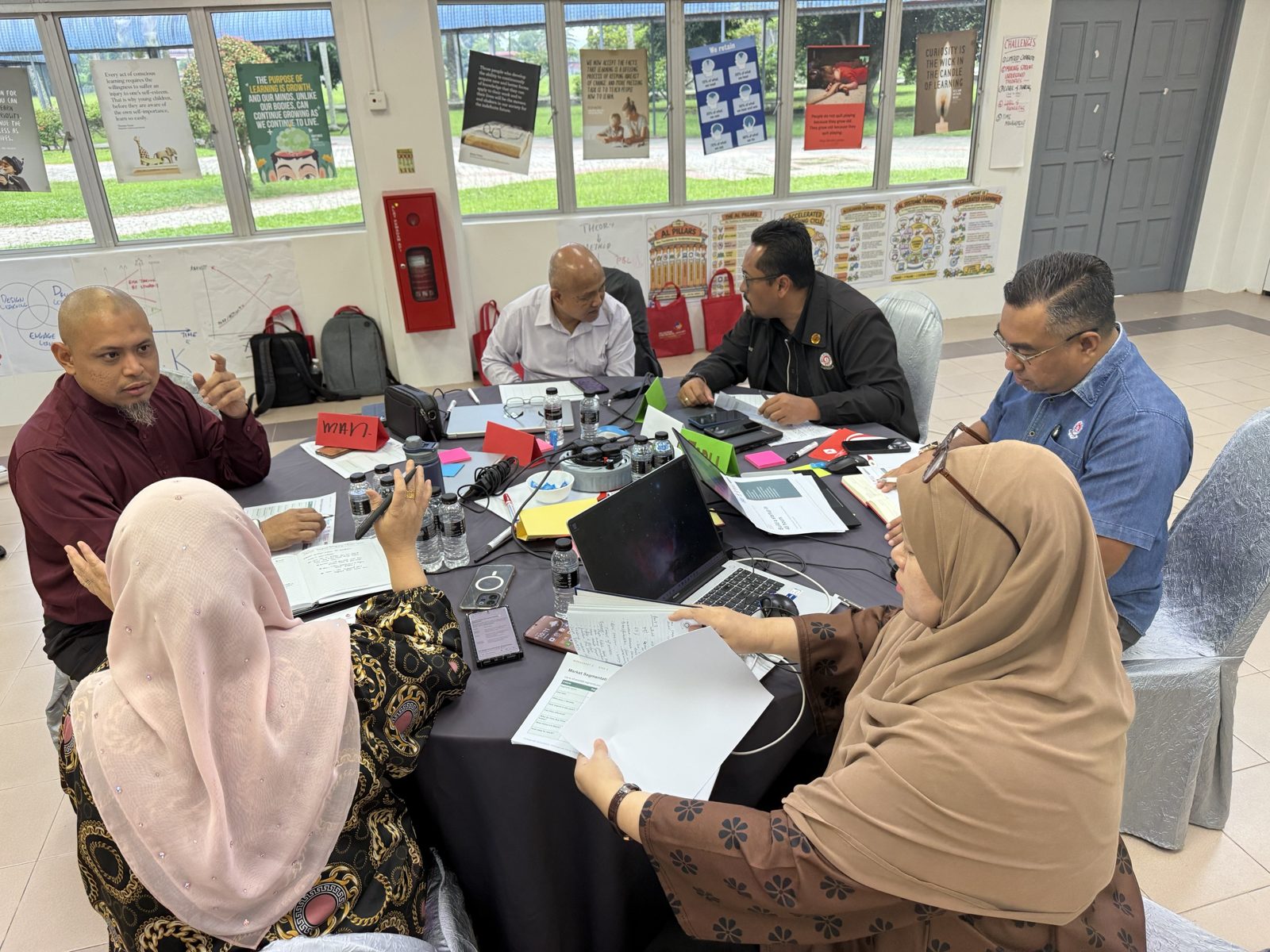
Pairs working through market segmentation before heading out to interview real customers.
Days 4 and 5: Build a startup in 48 hours
This is where things got real.
The Startup Module put the educators into pairs and gave them 48 hours to take an idea from problem to pitch. We combined Disciplined Entrepreneurship with the Business Model Canvas, through an 11-worksheet pack that walked each pair step by step:
- Problem first, no solution yet. Each person wrote down a problem they cared about, pitched it in 60 seconds, and found a partner.
- Segment, then pick a beachhead. Pairs mapped 6 to 10 possible customer segments, then scored their top three to choose one to win first.
- Talk to real people. Using an interview guide built on one rule: go to learn, not to sell. Ask about what people did in the past, not what they might do in the future. People are polite about the future and honest about the past.
- Log the evidence. Every call, interview and WhatsApp chat went into a conversation log, with a target of 10+ conversations by Friday.
- Quantify the value. What does the problem cost the customer today, and what could it look like with the product?
- Find the next 10 customers, map the Business Model Canvas, and test the riskiest assumptions with test cards, setting the success threshold before testing.
And they did it. Pairs were on the phone, talking to random people from their phonebook, asking questions and coming back with answers that changed their ideas.
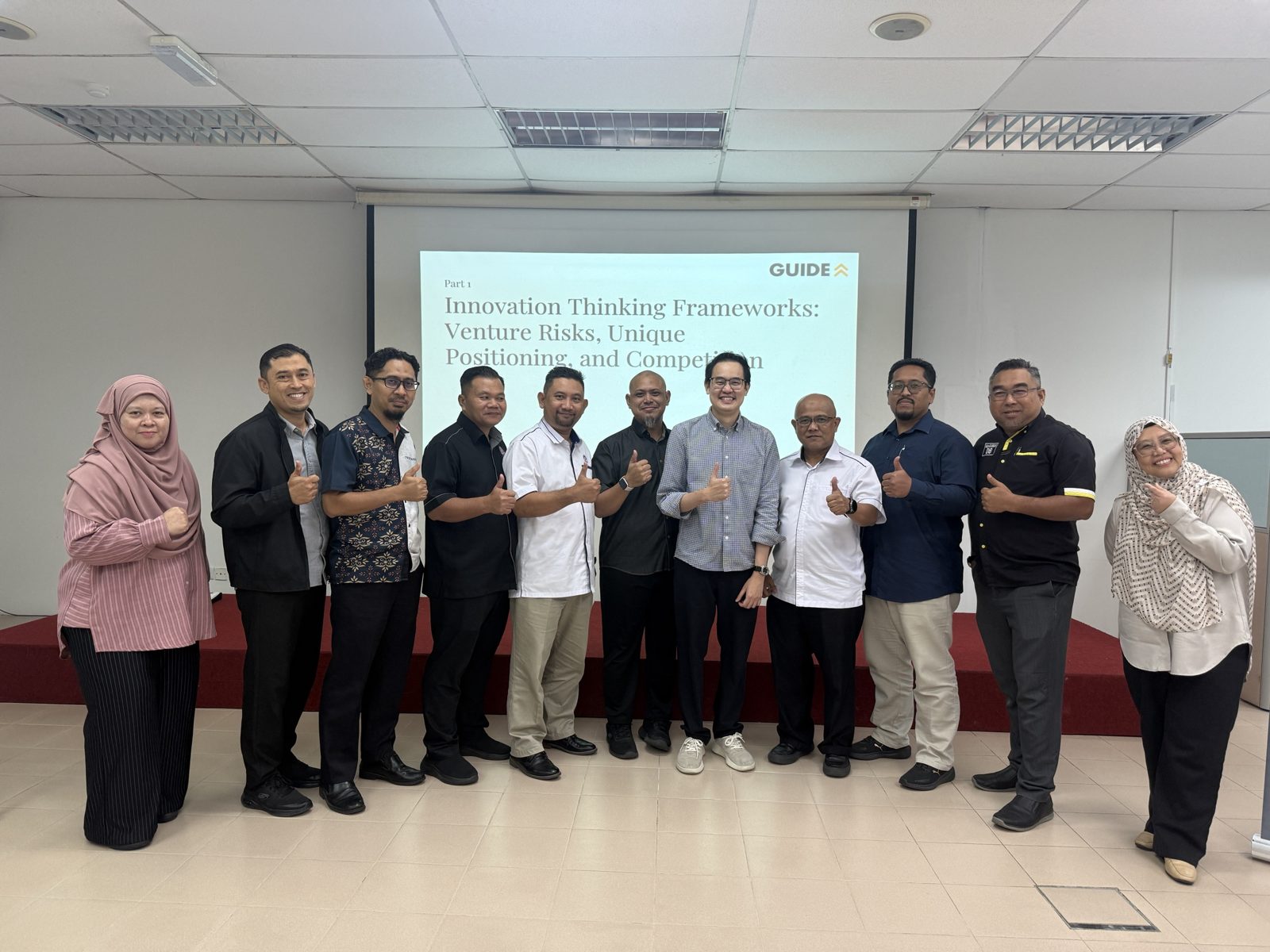
The cohort with Neil (GUIDE) after Innovation Thinking Frameworks: venture risks, unique positioning and competition.
Then Khalil (The Future is Solo) introduced AI for Educators, and the cohort put it to work straight away: by the end of Day 4, every pair had built a website using AI for their startup, along with posters to promote it.
On Day 5, Jeron (Asia School of Business) zoomed out with Malaysia and ASEAN Economics, helping the cohort see where their small ideas sit in a much bigger market. After a Pitch Workshop, we headed out for site visits to Digital Penang and EasyParcel, to see Penang's startup ecosystem up close.
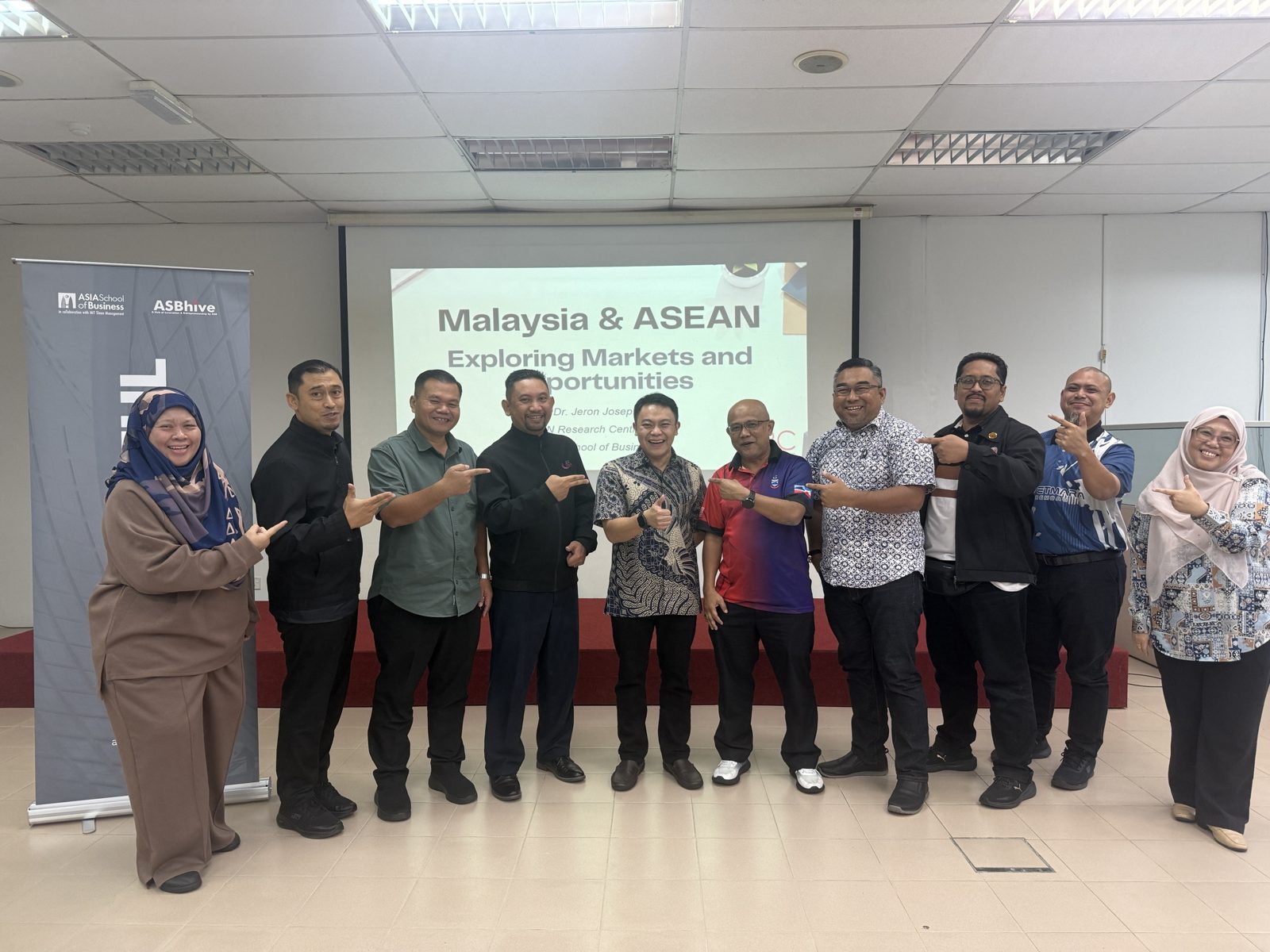
With Jeron (Asia School of Business) after Malaysia & ASEAN: Exploring Markets and Opportunities.
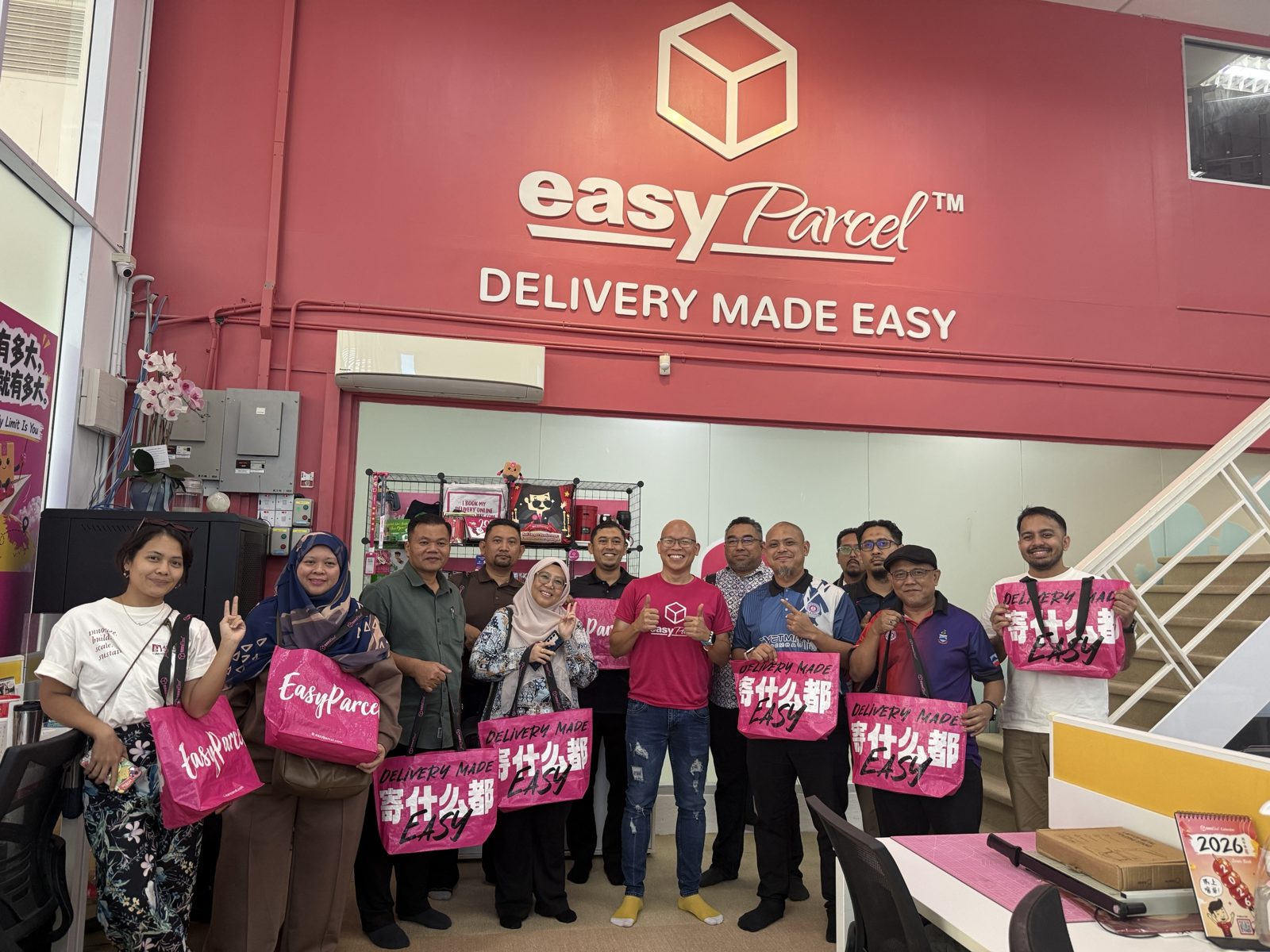
Delivery made easy: the cohort at EasyParcel, one of Penang's homegrown startup success stories.
🎥 Watch: Our site visits to EasyParcel (video)
Day 6: Demo Day
Friday was pitch day. Each pair had 5 minutes to pitch and 5 minutes of Q&A, structured in six beats: problem, beachhead, value, model, evidence and next step. Evidence got the most time on purpose. Judges don't want to hear what you think customers will do; they want to hear who you spoke to and what you learnt.
Our panel brought together ecosystem builders and founders:
- Baharuddin bin Sulaiman, Assistant Director, Akademi Kecemerlangan MARA (AKM)
- Mohd Izzat, Managing Director, Fulkrum Group
- Muhamad Asyraf, Training Department Manager, Institut Keusahawanan Negara (INSKEN)
- Ts. Akmal Amir, Chief Executive Officer, ADA Biotech Sdn Bhd
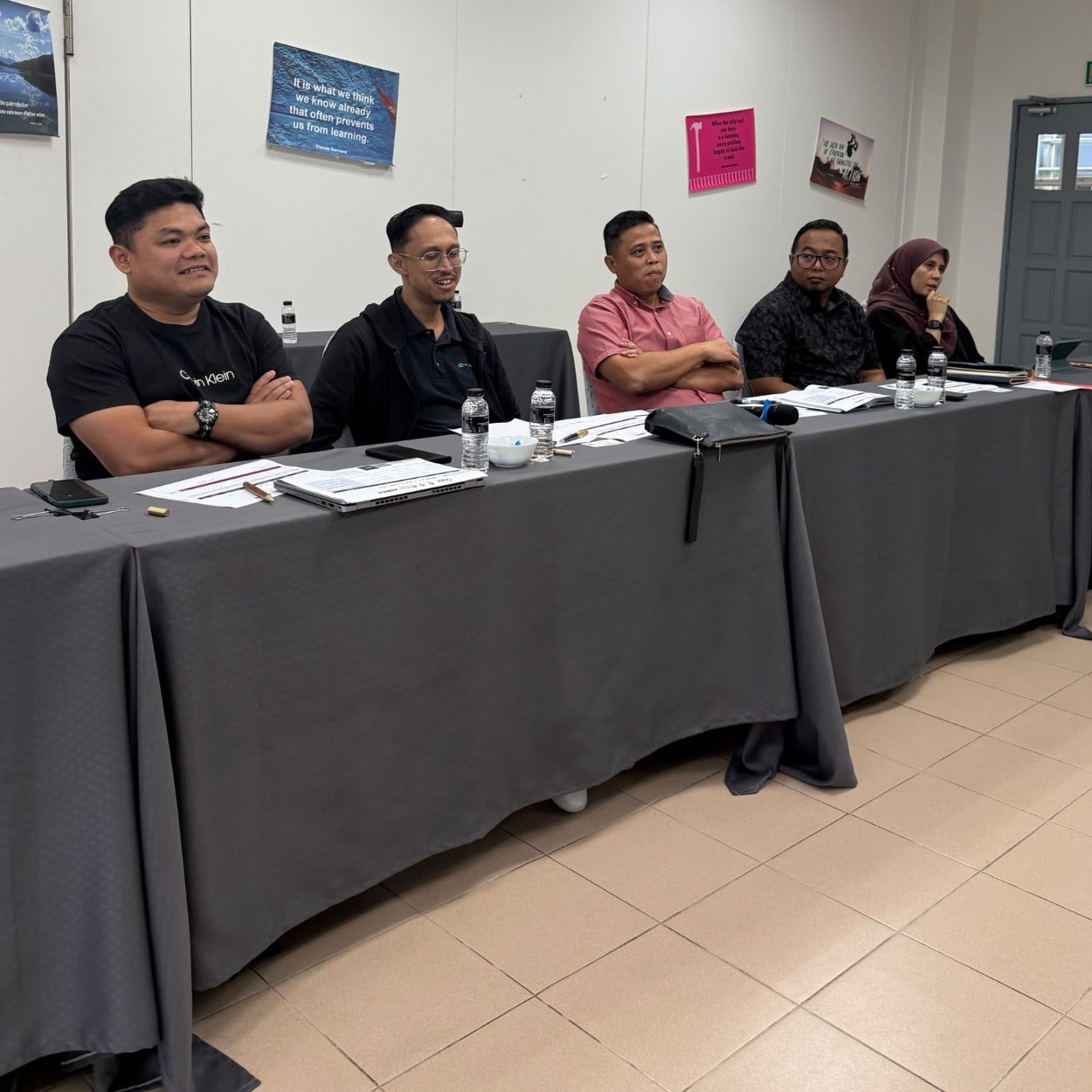
Five minutes to pitch, five minutes of tough questions.
After the pitches, a curriculum workshop helped the educators translate the week into their own classrooms, before we wrapped up with the closing ceremony.
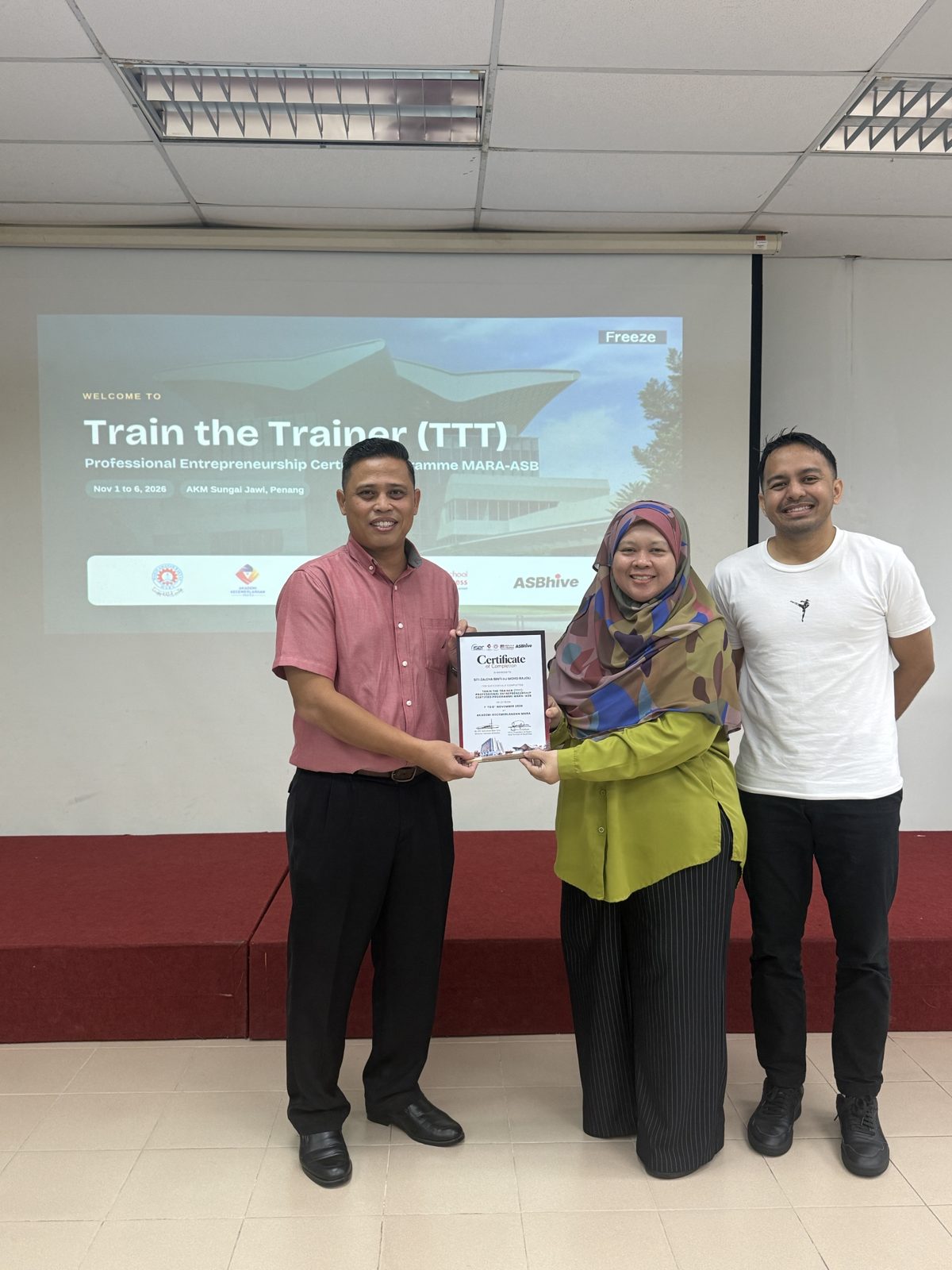
Certificates of completion presented at the closing ceremony.
Meet the five startups
Five pairs, five problems, five startups built in a week. Each one started with a real problem the educators saw in their own communities:
- TEMANGO: Non-emergency patient transport in Kangar, Perlis, taking patients from home to Hospital Tuanku Fauziah and back, booked through WhatsApp. Built for elderly patients, wheelchair users and anyone with regular follow-up treatment.
- BrewLane: Iced lattes in Alor Setar, Kedah, ordered via WhatsApp with free local delivery or pickup.
- LaundryKU2U: Door-to-door laundry that collects, washes, folds, irons and returns clothes, for busy households who would rather hand off the chore.
- Cik Tukang: Home repair and maintenance (plumbing, basic electrical, painting, fixtures) with upfront quotes, starting in Sungai Petani, Seri Iskandar and Nibong Tebal, for homeowners, homestay operators, landlords and elderly households.
- FitBite: Healthy pack lunches at RM15, with balanced, calorie-controlled menus delivered to the office, for busy office workers, young professionals and corporate orders in the Klang Valley.
What's next: keep validating
Demo Day was a checkpoint, not the finish line. Over the next one to two weeks, each pair will:
- Take the feedback. Note what the judges said to keep and to fix, and pick the one assumption they're least sure about.
- Talk to more customers. Aim for 10 new conversations, asking about what people actually did, not what they might do.
- Run one small test. A pre-order, a deposit or sign-ups on their website. Watch what people do, not what they say.
- Persevere or pivot. Decide with evidence: keep going, change one part of the idea, or stop, and write down why.
Then they bring it back to class. Their own validation and pivot story becomes the case study their students learn from.
A note from Redza Shahid
I'll be honest: I wasn't sure how this week would go. Asking ten experienced educators, none of whom had built a startup before, to go out and interview random strangers is a big ask.
But they went all in. I watched them make cold calls, stop people to ask about their problems, build websites and posters, and get comfortable with AI tools many of them had barely touched before Wednesday. By Friday, they were pitching to judges from the ecosystem and to founders who build companies for a living, and they held their own.
What makes me happiest is what happens next. These educators will walk back into classrooms across Malaysia not just knowing the theory of entrepreneurship but having lived it: the awkward first interview, the idea that didn't survive contact with customers, the pivot. That's what their students will learn from.
To our ten educators: thank you for your commitment and your courage. Keep validating.
Thank you
Our thanks to MARA, Akademi Kecemerlangan MARA (AKM) Sungai Jawi and ISER for making this programme possible; to our trainers Asha, Juara, Neil, Khalil and Jeron; to our judges; and to Digital Penang and EasyParcel for opening their doors.